
Overview

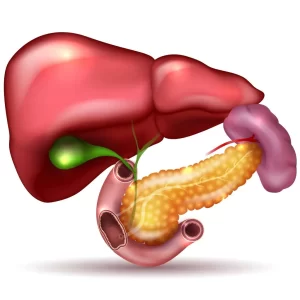
djt gallbladder 1 1024x1024 The gallbladder is a small pear-shaped organ located under the liver. The gallbladder and liver are both behind the lower ribs on the right side of the body. The gallbladder stores and concentrates bile, which is a fluid produced in the liver. This fluid helps digest the fat contained in food as it passes through the small intestine. Bile is stored within the gallbladder before it is released later to aid in digestion.

Cancer begins when the cells in the body are growing out of control. Gallbladder cancer is a type of cancer that targets the gallbladder tissues. This rare condition disrupts the gallbladder’s normal function – to store digestive bile fluid. When other treatments have become unsuccessful, doctors carry out a procedure to remove the malignant cells. Other treatment solutions considered include chemotherapy and radiation therapy.

Gallbladder cancers are rare, and various risk factors link to the likelihood of developing gallbladder cancer. It does not typically cause symptoms or signs until later when the tumor has spread. However, symptoms may appear sooner with early diagnosis. Common symptoms include abdominal pain, nausea, vomiting, lumps in the stomach, jaundice, loss of appetite, and weight loss.
Before undertaking curative gallbladder surgery, the doctor is required to evaluate the stage of cancer and the risks involved. Surgeons are responsible for giving appropriate prognosis and supporting patients. The two broad categories of gallbladder cancer procedures are curative and palliative surgery.
Read More
Curative surgery can remove cancer from a patient entirely while palliative surgery focuses on giving the best benefit to the patient without using invasive surgery. Patients should always be assured when they undergo the palliative type because of the lower recurrence rate. A combination of different gallbladder cancer approaches may be recommended by Dr. Tierney to remove malignant cells. The patient, for example, may be placed under clinical trial or chemotherapy. Some people wrongly conclude that gallbladder cancer surgery applies to every patient. Doctors must carry out tests and perform procedures that determine whether the patient is eligible for the procedure.
Related Procedures

Chemotherapy

Involves using drugs to curb the development of malignant cells.

Radiation therapy

Treatment for cancer that uses x-rays to get rid of cancer cells.

Biliary bypass

The method used to unblock the bile duct or gallbladder through tumor removal.

Percutaneous transhepatic biliary drainage

Treatment which uses a stent that is guided by an ultrasound, which enables bile to pass through to an externally situated collection bag.

Endoscopic stent

Procedure consists of placing a stent on the area around the gallbladder that is blocked to remove the bile.

General Surgery for Gallbladder

djt gallbladder 2 1024x683A cholecystectomy (removal of the gallbladder) is a type of surgical procedure used to treat gallbladder diseases, including cancer. The surgical approach is an alternative to conservative treatment options like dietary changes that do not yield the desired results. General surgery for gallbladder removal may be necessary when there is pain that arises from the presence of gallstones, which disrupts the flow of bile. A doctor may recommend it if the patient requires gallbladder cancer curative surgery, gallstones in the bladder or bile duct, inflammation, large polyps, and pancreatitis. This standard procedure is low risk, and in many cases, patients can go back home on the same day after surgery.

Gallbladder surgery uses laparoscopes attached to a video camera, inserted in an incision inside the abdomen. Surgical instruments are passed through these incisions to perform the surgery. Since there is a risk of gallbladder cancer spreading to the incision, tissue around the incision sites may also be removed.

Other types of surgery include biliary bypass, endoscopic stent, and percutaneous transhepatic biliary drainage to treat patients with gallbladder cancer. The procedure is usually performed to address problems that are caused by gallstones and gallbladder cancer. In cases where the cancer cells cannot be removed, palliative surgery is used.

Many people do not experience any digestive problems after gallbladder cancer surgical treatment. The gallbladder is not an essential aspect of digestion. There may be loose stool occasionally after the procedure, but this usually goes away after some time.

Patients are encouraged to talk to their doctors about any new symptoms or unusual bowel movements after the procedure. People undergoing robotic gallbladder surgery can expect to go back to work within a few days.

Robotic Gallbladder Surgery
Enlarged gallstones can cause severe pain and inflammation of the gallbladder. This necessitates removal of the gallbladder in a procedure called a cholecystectomy. Robotic gallbladder surgery has less blood loss and pain, minimal scars, and faster recovery. Robotic gallbladder surgery is very similar to the laparoscopic approach and is preferred because of the reduced rate of complications after surgery, faster recovery, less pain, and returning to work earlier. This surgery is also performed through the insertion of a small video camera into an incision inside the abdomen. Small surgical tools are passed through four tiny incisions for a magnified 3D look inside the abdomen to take out the gallbladder. People undergoing robotic gallbladder surgery can expect to go back to work within a few days.

Before surgery

The steps followed before surgery are:

  • An office visit for surgical consultation where a comprehensive history and physical exam is performed. 
  • Completion of clinical tests for workup and staging.
  • Multidisciplinary tumor board review for an expert recommendation regarding treatment strategy.

After surgery

The type of surgical procedure done determines the kind of post-surgery care required. Post care after a surgical operation involves:

  • A brief admission to the ICU is sometimes required for complex procedures such as a whipple procedure. Recovery then continues in the hospital ward for another three to five days. Procedures performed robotically typically have a faster recovery and can expect discharge from the hospital one or two days earlier than after open procedures. 
  • The goals of postoperative care include: monitoring for and intervening on any complications that can occur, awaiting the resumption of normal bowel function, maintaining adequate hydration and nutrition, physical and occupational rehabilitation, and providing adequate pain control. Once these measures are met, the patient will be discharged from the hospital. Post-operative follow-up will be scheduled one week from discharge with Dr. Tierney.

Frequently Asked Questions About Gallbladder Problems

The gallbladder is a small pear-shaped organ tucked under the liver on the right side of the abdomen. It stores and concentrates bile, a fluid the liver produces to help digest fat, and releases it into the small intestine after meals. You can live perfectly well without it. Once it is removed, bile flows continuously from the liver into the intestine instead of being stored and released in larger amounts. Most people notice no lasting difference. A minority find that very fatty meals cause looser stools or urgency, particularly in the first few months, and this usually settles.
Gallstones form when substances in bile, usually cholesterol or bile pigments, crystallise and harden inside the gallbladder. They are common, and most people who have them never know. Symptoms occur when a stone blocks the gallbladder outlet. The typical picture is a steady, intense pain in the upper right abdomen or below the breastbone, often starting after a fatty meal or in the evening, sometimes radiating to the right shoulder blade. It usually builds over an hour, holds, and then eases, most often lasting somewhere between one and five hours in total. Nausea and vomiting often accompany it. Bloating and indigestion alone are less specific and have many other causes.
Seek emergency care right away if you have fever or chills, yellowing of the eyes or skin, dark urine with pale stools, repeated vomiting, or pain that is severe and does not settle. A typical gallstone attack builds, holds and then eases within a few hours. Pain that keeps going instead of easing, or any pain that comes with fever or jaundice, is a different situation. These can indicate infection of the gallbladder, a blocked bile duct, or pancreatitis, and they are not managed with diet or with waiting. If you are unsure, be assessed the same day rather than waiting it out.
Not reliably, and this is worth being direct about because a great deal of what is written online suggests otherwise. No diet, drink, cleanse, flush or supplement dissolves gallstones or clears biliary sludge. Reducing fatty food may make attacks less frequent while you wait for treatment, but it treats the symptom rather than the cause, and the stones remain. There are medications, such as ursodeoxycholic acid, that can dissolve certain small cholesterol stones, but they work slowly over months to years, succeed in only a minority of carefully selected patients, and stones return in around half of people within five years of stopping. For that reason they are not a general alternative to surgery. Sludge, which is a thick mixture of bile and crystals that sits between normal bile and formed stones, often clears on its own once whatever caused it has passed, and needs no treatment when it causes no symptoms. If gallstones are found incidentally and cause no symptoms, monitoring is often entirely reasonable. Once they cause symptoms, removal of the gallbladder is the definitive treatment.
Removing the gallbladder is called a cholecystectomy. It is usually done through several small incisions, either laparoscopically or robotically, using a camera and fine instruments, and most patients go home the same day. Expect some soreness at the incisions and often shoulder tip discomfort for a day or two from the gas used during surgery. Most people are back to light activity within a week or two and to heavier activity within about a month, though recovery takes longer if the gallbladder was acutely inflamed, and your own expected timeline will be discussed with you beforehand. Like any operation it carries risks, including bleeding, infection, reaction to anaesthetic, and injury to nearby structures. The most important specific risk is injury to the bile duct, which is uncommon but serious and can require complex reconstructive surgery, which is one of the reasons the anatomy is identified carefully before anything is divided. Occasionally an operation started with small incisions needs to be converted to an open one, which is a judgement made for safety rather than a complication.
There is no permanent gallbladder diet, and most people return to eating normally. In the first few weeks it is usually easier to eat smaller, more frequent meals and to go gently on very fatty or fried food, because bile is no longer being stored and released in a concentrated burst. Fibre helps stools stay regular during the adjustment. If you find that particular foods reliably cause loose stools or urgency, reduce them for a while and reintroduce them gradually rather than eliminating food groups indefinitely. Persistent diarrhoea after gallbladder removal is uncommon but treatable, so mention it rather than adapting around it.