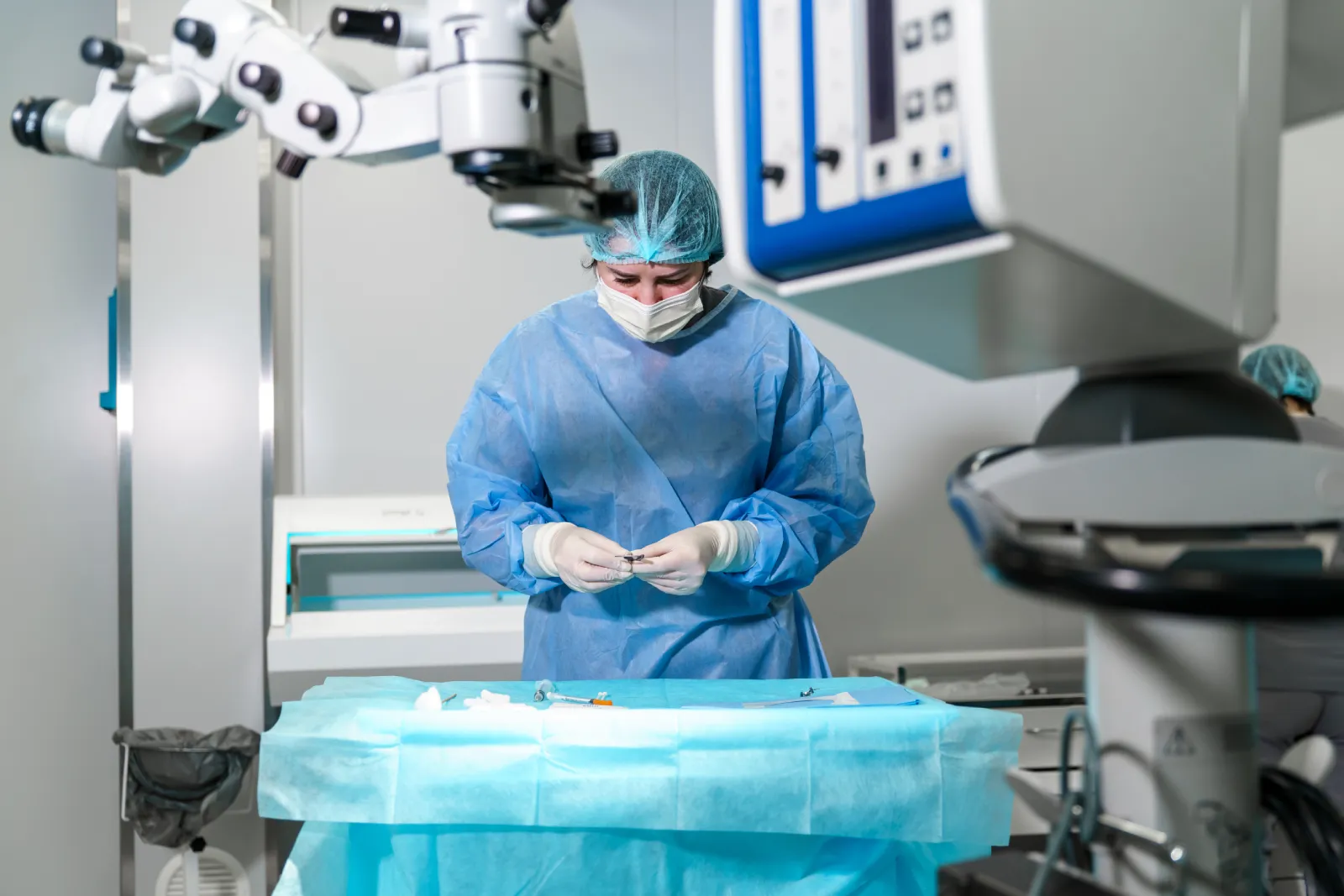

A robotic Whipple procedure may be right for you when the tumor sits in the head of the pancreas or nearby structures, has not spread to distant organs, and your health and anatomy allow a minimally invasive operation to be done safely. The only reliable way to know is a careful evaluation with an experienced HPB surgeon who reviews your imaging, staging, and overall health.
Introduction
A Whipple procedure, also called a pancreaticoduodenectomy, is a complex operation used to treat certain conditions affecting the pancreas, bile duct, duodenum, and nearby structures. Because the operation involves several connected organs, choosing how it is done matters almost as much as deciding whether to have it, and for some patients robotic Whipple surgery in Loveland may offer a minimally invasive option.
This guide explains why surgeons perform the Whipple procedure, how the open and robotic approaches differ, and which factors your surgeon weighs before recommending one over the other. You will also find questions to bring to your consultation and a clear picture of what preparation and recovery can involve, so you can take part in the decision with confidence.
Why Is the Whipple Procedure Performed?
The Whipple procedure is most often used for tumors in the head of the pancreas, the wider part of the organ that sits in the curve of the duodenum. It may also be considered for certain tumors and diseases in nearby structures because the head of the pancreas, the lower bile duct, and the duodenum share a blood supply and are removed together when one is affected.
The conditions that most often lead to a discussion about this operation include:
- Tumors in the head of the pancreas
- Lesions near the ampulla, where the bile duct and pancreatic duct drain into the duodenum
- Cancers of the distal (lower) bile duct
- Certain duodenal masses and some cystic neoplasms of the pancreas
Before recommending surgery, a surgeon evaluates where the disease is and how far it extends. Imaging, clinical testing, and staging help determine whether surgery is appropriate and, if so, which approach is likely safest for you. The formal name for the operation, the pancreaticoduodenectomy, reflects the two main structures removed: the pancreas head and the duodenum.
Dr. Tierney’s practice also notes that complex cases may undergo multidisciplinary tumor board review, where surgeons, oncologists, radiologists, and other specialists review the same information together and agree on a treatment strategy that fits the whole picture rather than a single test result.
What Happens During a Whipple Procedure?
Understanding the steps of the operation helps explain why careful planning matters. A Whipple procedure has two main phases: removing diseased tissue and reconstructing the system so food, bile, and pancreatic juice can keep flowing after surgery.
During the removal phase, the surgeon typically takes out:
- The head of the pancreas
- The duodenum, which is the first part of the small intestine
- The distal (common) bile duct and the gallbladder
- In some cases, a portion of the stomach
After removing the tissue, the surgeon reconnects the remaining pancreas, bile duct, and stomach to the small intestine. This reconstruction is the most delicate part of the operation because each connection must heal well for digestion to work properly and to lower the risk of a leak.
Because so many connected structures are involved, it is one of the more demanding procedures in abdominal surgery, which is why the choice of approach is made case by case rather than by default.
Open vs. Robotic Surgical Approaches
A Whipple procedure does not have to be performed the same way for every patient. Depending on your condition and the surgical considerations involved, the operation may be performed through a traditional open incision or through a robotic-assisted approach, and both aim to remove the disease completely and rebuild the digestive tract safely.
Robotic surgery uses several small incisions rather than one larger incision across the abdomen. The surgeon sits at a console and controls wristed instruments that move precisely in tight spaces, while a magnified 3D view supports careful dissection around blood vessels and the delicate reconstruction that follows.
| Feature | Open Whipple | Robotic Whipple |
| Incisions | One larger abdominal incision | Several small incisions |
| Surgeon’s view | Direct view of the abdomen | Magnified 3D view on a console |
| Instrument control | Hand-held instruments | Wristed instruments that filter hand tremor |
| Blood loss | Can be higher | May be lower when the case is suitable |
| Hospital stay | Often longer | May be shorter when recovery goes as planned |
| Often suited for | Complex anatomy, extensive disease, or vessel involvement | Carefully selected patients whose anatomy allows it |
When technically appropriate, robotic surgery may offer advantages compared with traditional open surgery, including:
- Smaller incisions in place of one long abdominal incision
- Less postoperative pain and less need for pain medication
- Less blood loss during the operation
- A shorter hospital stay and a faster return to daily activities
Robotic surgery is not automatically the better option for every patient, however. It is a tool, and in some situations an open operation gives the surgeon better access and is the safer choice, so the right approach always depends on the individual case.
What Factors Influence Eligibility?
Several factors can influence whether you qualify for a robotic approach. Your surgeon looks at the disease itself, your general health, and the technical demands of the operation, and then weighs them together, since no single factor decides the answer on its own.
The main factors your surgeon will consider include:
- The location and size of the tumor
- Whether the disease has spread to nearby structures or major blood vessels
- Your overall health and how well you are likely to tolerate a major operation
- Previous abdominal surgeries and any scar tissue they left behind
- The complexity of the required reconstruction
- Findings from imaging and staging
| Factor | Why It Matters for a Robotic Approach |
| Tumor location and size | Determines how much tissue must be removed and how easily it can be reached |
| Blood vessel involvement | Tumors that touch major vessels may need an open approach for safe control |
| Overall health | Heart, lung, and nutritional health affect how well you recover from major surgery |
| Previous abdominal surgery | Scar tissue can make minimally invasive access more difficult |
| Reconstruction complexity | Some connections are more demanding and may be safer through an open incision |
| Imaging and staging results | Confirm whether the disease can be removed and help plan the approach |
The goal is not simply to use robotic technology but to choose the approach that treats the condition effectively while keeping your safety at the center of every decision.
Why Tumor Location Matters
The location of a pancreatic tumor has a major impact on treatment planning, which is why consulting an experienced general surgeon in Loveland is such an important step in your care. A Whipple procedure is primarily used when a tumor is in the head of the pancreas, while tumors in the body or tail are usually treated with a different operation.
Location shapes the plan in several ways:
- Tumors in the pancreatic head often affect the bile duct and can cause jaundice before they are found
- Lesions near the ampulla may be found earlier because they block bile flow sooner
- Tumors close to major blood vessels may change both the approach and the order of treatment
- Disease in nearby organs may affect whether surgery is the right first step
Because nearby organs and structures may also be affected, detailed imaging and surgical planning are especially important. Your surgeon reviews your scans and other diagnostic information to decide whether the disease can be treated surgically and whether a robotic approach is technically practical in your case. For a broader view of how surgery fits alongside other care, the National Cancer Institute explains pancreatic cancer treatment options in plain language.
How the Evaluation Process Works
A thorough evaluation is the foundation of a good surgical plan. It usually begins with a consultation in which your surgeon reviews your symptoms, medical history, and any previous testing, then explains what additional information is needed before making a recommendation.
The evaluation commonly includes:
- A contrast-enhanced CT scan to show the tumor and its relationship to nearby blood vessels
- An MRI of the bile and pancreatic ducts (MRCP) when there is a blockage
- Endoscopic ultrasound, sometimes with a small tissue sample to confirm the diagnosis
- Blood work and a review of your heart, lung, and nutritional health
Once the results are available, Dr. Tierney works with your oncology team, along with gastroenterology, radiology, and anesthesia, to fit surgery into a complete treatment plan. In some cases, the team recommends other treatment before surgery, and that decision is made together with the specialists who guide that part of your care.
Benefits and Risks to Weigh Together
Any honest discussion of the Whipple procedure has to cover both what the operation can offer and what it asks of you. A robotic approach can reduce some of the physical burden of surgery, but it does not change the fact that this is a major operation with a meaningful recovery.
Potential benefits of a robotic approach, when your case is suitable, include:
- Smaller incisions and less pain after surgery
- Less blood loss during the operation
- A shorter hospital stay when recovery goes as planned
- An earlier return to walking, eating, and daily routines
The risks of a Whipple procedure apply whether it is done robotically or through an open incision, and your surgeon will explain how they apply to you. They include a leak from the pancreatic connection, slow emptying of the stomach in the first weeks, bleeding, and surgical site infection, and complications can happen even with careful planning and an experienced team.
Some patients also notice lasting changes in digestion after surgery. Your body may need help digesting fat and protein, which is often managed with pancreatic enzyme supplements taken with meals, and blood sugar levels may need closer monitoring because part of the pancreas has been removed.
Questions to Ask During Your Consultation
Facing pancreatic surgery can leave you with many questions, and a good consultation should leave room for all of them. Writing your questions down before the appointment helps you remember what matters most to you and makes it easier to compare your options afterward.
| Question to Ask | Why It Helps |
| Am I a candidate for robotic surgery? | Clarifies why a robotic, open, or other approach is being recommended for your specific condition |
| What will the procedure involve? | Explains which organs or structures may be removed or reconstructed so you can prepare |
| What should I expect during recovery? | Sets realistic expectations for your hospital stay, diet, activity, and return to work |
| What experience does my surgeon have? | Helps you understand the surgeon’s training in HPB surgery and robotic techniques |
| What happens if the plan changes during surgery? | Explains when a robotic operation may be converted to an open one for safety |
| How will my care be coordinated with other specialists? | Shows how surgery fits with oncology and other treatment you may need |
Recovery varies from patient to patient. Dr. Tierney’s information notes that robotic Whipple procedures can allow patients to leave the hospital earlier than those undergoing open procedures when recovery progresses appropriately.
Preparing for Robotic Whipple Surgery
If robotic Whipple surgery is recommended, preparation typically begins with the surgical consultation, a medical history and physical examination, diagnostic testing, and disease staging. A multidisciplinary review may also help confirm the treatment strategy before a date is set.
In the weeks before surgery, your team may ask you to:
- Stop smoking, since it slows healing and raises the risk of complications
- Stay as active as you safely can, with regular walking to build strength
- Eat well and follow any nutrition advice, especially if you have lost weight
- Review your medications, including blood thinners and diabetes medicines
- Arrange support at home for the first weeks after you leave the hospital
Your surgical team can explain what to expect before the procedure, how your hospital stay will be managed, and how you can prepare for recovery. Asking early gives you time to plan for work, transportation, and help at home.
What Recovery May Look Like
Recovery after a Whipple procedure happens in stages, and the pace differs for everyone. In the hospital, the focus is on controlling pain, getting you out of bed and walking, and slowly reintroducing food as your digestive system wakes up after surgery.
During the hospital stay, your care team will usually:
- Encourage walking soon after surgery to support circulation and bowel function
- Advance your diet gradually from liquids to soft foods
- Monitor drains, blood tests, and blood sugar for early signs of a problem
- Teach you how to care for your incisions and what warning signs to report
After you go home, energy often returns gradually over several weeks, and many patients find that smaller, more frequent meals are easier to manage while digestion adjusts. Follow-up visits allow your surgeon to check your healing, review the pathology results, and coordinate with your oncology team about any further treatment.
Key Takeaways
- A Whipple procedure removes the head of the pancreas, the duodenum, the bile duct, and the gallbladder, then rebuilds the digestive tract.
- It is most often used for tumors in the head of the pancreas, ampullary lesions, and cancers of the lower bile duct.
- Robotic surgery uses small incisions and a magnified 3D view, and it may reduce pain, blood loss, and hospital time when the case is suitable.
- Tumor location, blood vessel involvement, overall health, and previous surgery all shape whether a robotic approach is safe.
- Risks and possible digestive changes apply to both open and robotic surgery, so weigh benefits and limits together.
- A detailed evaluation with an experienced HPB surgeon is the most reliable way to learn whether you are a candidate.
Finding Out If Robotic Whipple Surgery Is Right for You
No single surgical approach works for every patient. Robotic Whipple surgery in Loveland may be an option when your condition, anatomy, and overall health make minimally invasive surgery appropriate, and a detailed evaluation is the most reliable way to understand your options.
A consultation gives you the chance to:
- Review your imaging and staging results with a surgeon who explains them clearly
- Learn whether a robotic, open, or other approach fits your situation and why
- Understand the risks, recovery, and long-term changes that may apply to you
- Hear how surgery fits with the rest of your treatment plan
Dr. Joshua Tierney is a fellowship-trained surgeon who provides specialized robotic HPB and hernia surgery for patients across Northern Colorado, and he works with your oncology team so that every recommendation reflects your whole picture. Patients can schedule a consultation to discuss their diagnosis, their treatment options, and whether a robotic approach fits their needs.
Frequently Asked Questions
How is a robotic Whipple different from a traditional Whipple?
Both operations remove the same tissue and rebuild the digestive tract in the same way. The difference is access, since the robotic approach uses several small incisions and wristed instruments guided from a console, while the open approach uses one larger abdominal incision.
Can a robotic Whipple be changed to open surgery during the operation?
Yes. If the surgeon finds that anatomy, bleeding, or disease extent makes it safer to continue through an open incision, the operation may be converted. This is a safety decision, and your surgeon should explain the possibility before surgery.
Does everyone with a pancreatic head tumor need a Whipple procedure?
No. Whether surgery is appropriate depends on the tumor type, whether it has spread, and your overall health. Some patients receive other treatment first, and others are not surgical candidates, which is why imaging, staging, and team review come first.
Will I need to change how I eat after a Whipple procedure?
Many patients do. Smaller, more frequent meals are often easier to digest, and some people need pancreatic enzyme supplements with meals. Your care team will guide these changes and adjust them as your digestion settles over time.
Is robotic surgery covered by insurance?
Insurance usually covers robotic surgery the same way as other surgical approaches when it is medically necessary, but coverage varies by plan. It is a good idea to check with your insurer about your specific benefits before surgery.
What should I bring to my first consultation?
Bring any imaging reports and discs, recent lab results, a list of your medications, and a record of previous surgeries. A written list of questions and a family member or friend to help take notes can also make the visit more useful.
Is a robotic Whipple safer than an open Whipple?
Not in every case. Robotic surgery is a tool, and when the anatomy and condition make it appropriate it may mean less pain, less blood loss, and a shorter hospital stay. For some patients, an open operation gives better access and is the safer choice.
How long does a robotic Whipple operation take?
A Whipple procedure usually takes several hours, whether it is done robotically or through an open incision. The exact length depends on your anatomy, the extent of the disease, and the reconstruction required, so your surgeon can give you a more specific estimate during planning.
Will Dr. Tierney work with my oncologist?
Yes. Dr. Tierney works with your oncology team, along with gastroenterology, radiology, and anesthesia specialists, so that surgery fits into a complete treatment plan. Complex cases may also be reviewed by a multidisciplinary tumor board before a recommendation is made.
Who performs robotic Whipple surgery in Northern Colorado?
Dr. Joshua Tierney is a fellowship-trained surgeon in Loveland, CO who focuses on robotic HPB and hernia surgery, including the robotic Whipple procedure. He sees patients from across Northern Colorado, Wyoming, and Western Nebraska who are weighing their surgical options.
Conclusion
Deciding on pancreatic surgery is a serious step, and you deserve clear, honest information about every option. Robotic Whipple surgery in Loveland can offer a minimally invasive path for carefully selected patients, with smaller incisions and a recovery that may be easier, but it is only the right choice when your condition, anatomy, and health make it safe.
The most useful next step is a detailed evaluation with an experienced surgeon who will review your imaging, explain the trade-offs between open and robotic surgery, and coordinate with the other specialists involved in your care. With that information in hand, you can make a confident, well-informed decision about your treatment.