
Loveland patients may want to consider robotic gallbladder surgery when gallstones keep causing painful attacks, inflammation, or pancreatitis, or when imaging shows large polyps or other problems that make removal the safer path. The right time to talk with a surgeon is when symptoms keep returning, rather than after an attack becomes severe, so the cause can be confirmed and the approach can be matched to your needs.
If gallstones keep causing painful attacks or inflammation, it may be time to ask whether robotic gallbladder surgery in Loveland is the right next step. Gallbladder trouble often starts with a single meal that brings on sharp pain under the right ribs, and then the same pain returns a few weeks or months later. Some patients manage their symptoms for a while by changing what they eat, but repeated attacks usually signal a problem that needs more than dietary changes.
This article explains when patients in Loveland and across Northern Colorado may want to consider robotic surgery, which symptoms deserve a closer look, and what the process looks like from the first consultation through recovery. It also covers the situations where a robotic approach may not be the right choice, because the goal is always to match the operation to the patient rather than the other way around.
What Recurring Gallbladder Pain Can Tell You
Gallstones are the most common reason people have their gallbladder removed. The gallbladder is a small, pear-shaped organ tucked beneath the liver that stores bile, a digestive fluid that helps break down fats. When stones form inside it, they can block bile flow, leading to pain, nausea, inflammation, and, in some cases, pancreatitis. The first attack may pass on its own within a few hours, which is why many people decide to wait and see.
Repeated episodes, though, tend to tell a clearer story. Pain that keeps returning after meals, especially fatty or heavy meals, often means the stones are still there and still causing trouble. Common patterns patients describe include:
- Sharp or cramping pain in the upper right abdomen, sometimes spreading to the right shoulder or back
- Nausea or vomiting that comes on with the pain
- Attacks that start in the evening or overnight, often after a larger meal
- Bloating and a sense of fullness that lingers after eating
- Episodes that seem to come closer together over time
Because the gallbladder isn’t essential for digestion, many people continue eating normally after recovery from removal. Bile still flows from the liver into the small intestine, just without the storage step in between. That is one reason gallbladder removal can offer a lasting solution when symptoms keep coming back, since the organ causing the attacks is no longer there to cause new ones.
It is fair to ask whether stomach pain like this is something you should keep tolerating. A single attack may pass, but repeated episodes deserve medical attention, and the most useful step is evaluating your symptom pattern, test results, and overall gallbladder condition before deciding on surgery.
Signs That Gallbladder Removal May Be Worth Discussing
A consultation matters most when gallbladder problems cause repeated or worsening symptoms. Surgeons recommend removal for several reasons, and each one carries a slightly different level of concern. The table below outlines the most common reasons patients are referred and what each typically means for the decision ahead.
| Reason for Evaluation | What It Usually Means | Why Removal May Be Discussed |
| Symptomatic gallstones | Stones that cause pain, nausea, or attacks after meals | Attacks tend to repeat as long as the stones remain |
| Gallstones in the bile duct | A stone has moved out of the gallbladder into the duct | Can block bile flow and lead to jaundice or infection |
| Gallbladder inflammation (cholecystitis) | The gallbladder wall becomes swollen and irritated | Inflammation can recur and may become more serious |
| Pancreatitis linked to gallstones | A stone blocks the pancreatic duct and inflames the pancreas | Removal helps lower the chance of another episode |
| Large gallbladder polyps | Growths on the inner wall seen on imaging | Larger polyps are often removed as a precaution |
| Certain gallbladder cancer cases | Cancer found or suspected in the gallbladder | Requires careful staging and a specialized plan |
Waiting for every attack to become severe is rarely a wise plan, because it can turn a planned operation into an urgent one. When you meet with a surgeon early, there is time to review your history, confirm the cause of your symptoms, and choose an approach that fits your health and your schedule.
A general surgeon in Loveland can review your medical history, examination findings, imaging, and other clinical information before deciding whether surgery is appropriate. It helps to bring the following to your first visit:
- Any ultrasound, CT, or MRI reports and the dates they were done
- A list of current medications, including blood thinners and supplements
- Notes on when your attacks happen, how long they last, and what seems to trigger them
- Records from any emergency visits or hospital stays related to your abdomen
- Questions about recovery, time off work, and help you may need at home
Having this information on hand makes the conversation more productive and helps your surgeon see the full picture of what has been happening.
How Robotic Gallbladder Surgery Works
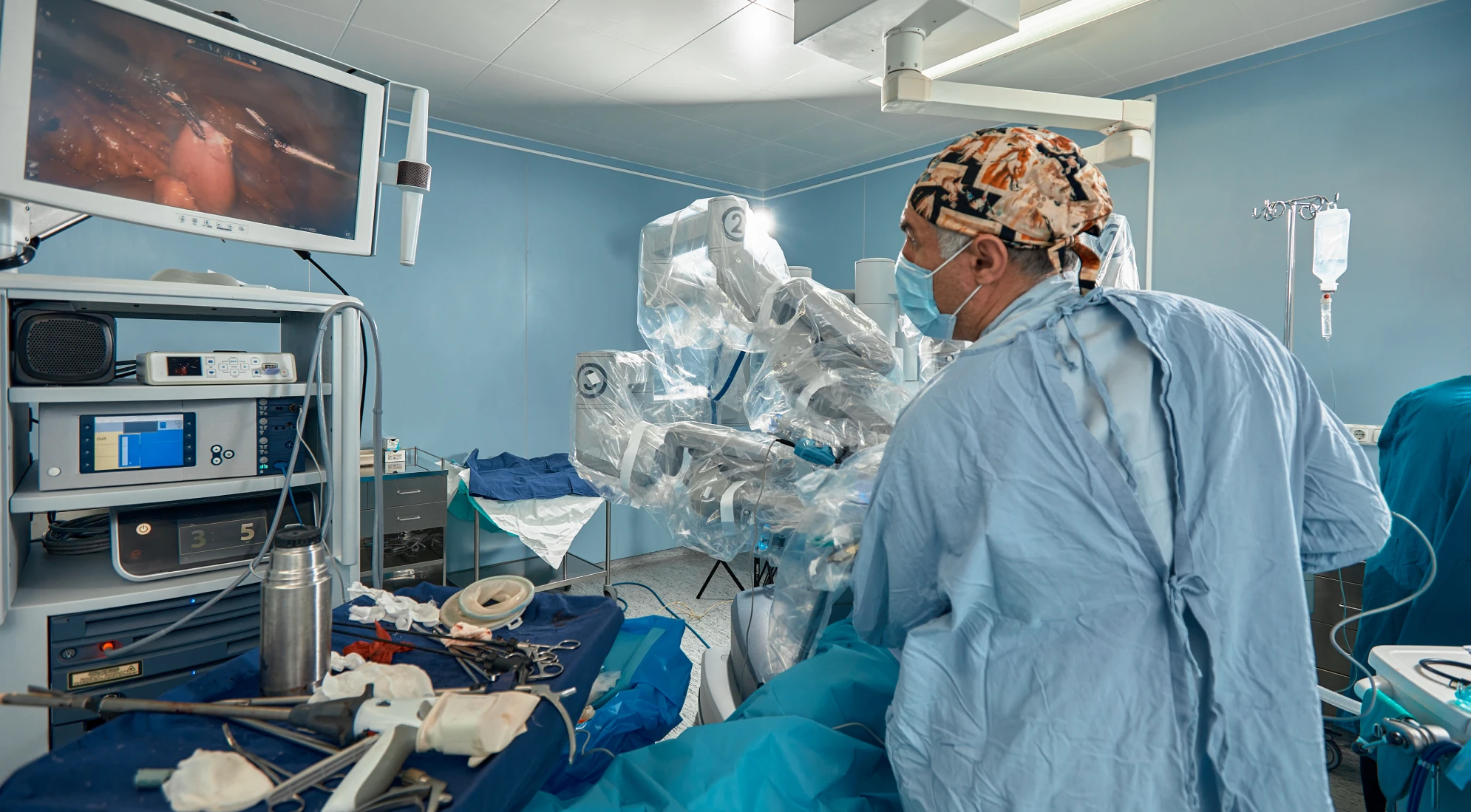
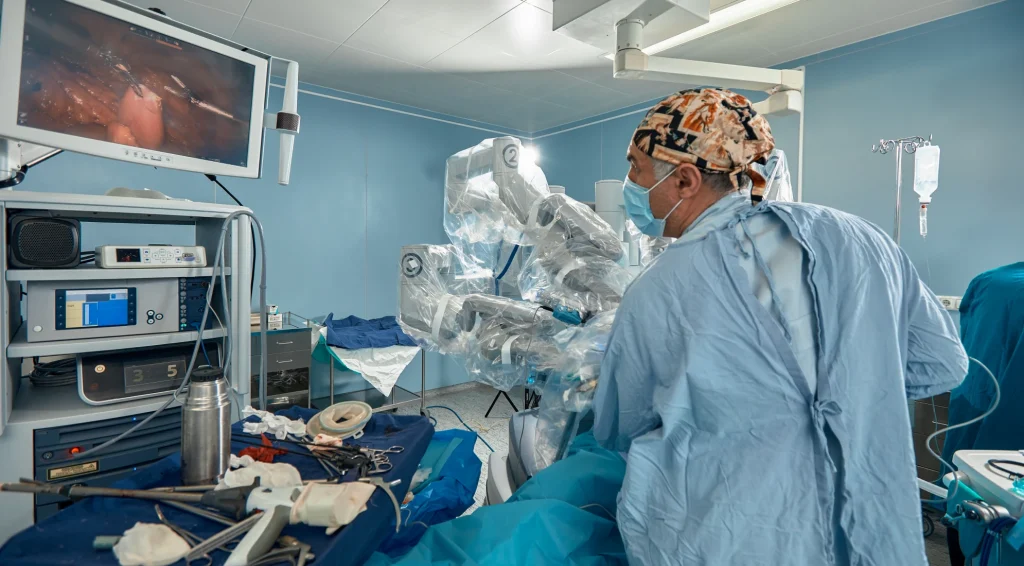
Robotic gallbladder surgery is a form of gallbladder removal, or cholecystectomy, performed with a robotic-assisted surgical system. The surgeon works through small incisions instead of one large opening, and a camera provides a magnified 3D view of the gallbladder and the surrounding structures, while small wristed instruments carry out the removal. The surgeon controls every movement from a console, so the system extends the surgeon’s hands rather than working on its own.
The approach is similar to laparoscopic surgery, which also uses small incisions and a camera. The main differences come from the level of control the robotic system offers, including:
- A magnified, three-dimensional view that helps the surgeon see fine structures clearly
- Wristed instruments that bend and rotate in tight spaces near the liver and bile ducts
- Filtering of natural hand tremor for steadier, more precise movements
- A comfortable seated position for the surgeon during detailed steps of the operation
One of the most important parts of any gallbladder operation is identifying the bile ducts and blood vessels before dividing anything. Surgeons use a careful safety step to confirm these structures, and the magnified view can be especially helpful when the gallbladder is inflamed and the tissue is swollen or harder to read.
What does all of this mean for the patient? When the anatomy and condition make it appropriate, robotic surgery may mean less pain, less blood loss, smaller scars, and a quicker return to normal activities than an open operation. Dr. Tierney’s practice notes that many patients can return to work within a few days, although recovery varies by procedure and patient.
Robotic, Laparoscopic, and Open Surgery Compared
Gallbladder removal can be performed in three main ways, and each has a place. The table below compares them in general terms so you can see how the robotic approach fits alongside the others. Your surgeon will explain which option suits your situation, since the right choice depends on your anatomy, your health, and the reason for the operation.
| Feature | Robotic-Assisted Surgery | Laparoscopic Surgery | Open Surgery |
| Incisions | Several small incisions | Several small incisions | One larger incision below the ribs |
| View for the surgeon | Magnified 3D image | Magnified 2D image on a screen | Direct view of the organs |
| Instrument movement | Wristed instruments with a wide range of motion | Straight instruments with more limited angles | Hand-held instruments |
| Typical hospital stay | Often short, depending on the case | Often short, depending on the case | Usually longer |
| Pain and scarring | Often less than open surgery | Often less than open surgery | Usually more |
| When it tends to be used | Suitable cases, including some complex or inflamed gallbladders | Many routine gallbladder removals | Complex cases, some cancers, or when a minimally invasive approach is not safe |
Both robotic and laparoscopic surgery are minimally invasive, and many patients do well with either one. The robotic approach can help when greater precision and a clearer view offer an advantage, such as with a gallbladder with significant inflammation or unusual anatomy.
It is worth keeping these comparisons in perspective, because no approach is better for every patient. A few points to keep in mind:
- Recovery depends on your overall health, the condition of your gallbladder, and how the operation goes
- Any operation, including a minimally invasive one, carries risks such as bleeding, surgical site infection, and bile duct injury
- A surgeon may switch from a minimally invasive approach to an open one during surgery if that is the safer choice
- Insurance usually covers robotic surgery the same way as other approaches when it is medically necessary, but coverage varies by plan
When a Robotic Approach May Not Be the Right Fit
Robotic surgery is not automatically right for everyone. Before recommending it, your surgeon needs to understand your condition, its severity, and whether minimally invasive surgery is technically practical in your case. A robotic system is a tool, and in some situations an open operation or a different plan may be safer.
Gallbladder cancer is one example where careful evaluation comes first. When cancer is suspected or confirmed, the stage of the disease shapes the treatment plan, and some patients need a more extensive operation that removes nearby tissue or lymph nodes. In these cases, Dr. Tierney works with your oncology team so that surgery fits into a broader plan of care.
Other situations that may call for a different approach or a delay in surgery include:
- A severely ill patient with acute inflammation, where a temporary drainage procedure may be needed first
- Blood thinners or other medications that need to be adjusted safely before an operation
- Scar tissue from earlier abdominal surgery that changes how the organs sit
- Heart, lung, or other health conditions that affect anesthesia and recovery
- Findings on imaging that suggest a more complex bile duct problem
In each case, the right procedure depends on the patient’s condition and test results. Sometimes the plan is to calm the inflammation first and return for an elective robotic operation several weeks later, once the tissue has settled and it is safer to proceed.
What Happens Before Your Surgery
The process begins with a consultation. During this visit, your surgeon reviews your medical history, performs an examination, and orders appropriate testing such as blood work or imaging if it has not already been done. Complex cases may also receive additional expert review, with input from gastroenterology, radiology, or anesthesia, to guide treatment planning.
This step matters more than many people realize, because good planning helps determine whether robotic surgery is a suitable option and what your recovery is likely to involve. Before surgery, your care team will usually go over:
- Which medications to stop or adjust in the days before the operation, especially blood thinners
- When to stop eating and drinking the night before surgery
- Whether you are likely to go home the same day or stay overnight
- Who will drive you home and stay with you for the first day
- Signs to watch for after surgery and when to call the office
It also helps to prepare your home before surgery. Setting up a comfortable place to rest, keeping light meals on hand, and planning a few days away from heavy lifting can make the first week much easier. Bring your questions to the consultation, since a clear understanding of the plan tends to make the whole experience feel more manageable.
Key Takeaways
- Robotic gallbladder surgery in Loveland may be worth considering when gallstones cause repeated pain, inflammation, or pancreatitis.
- Other reasons for removal include gallstones in the bile duct, large polyps, and certain gallbladder cancer cases.
- The gallbladder is not essential for digestion, so most people eat normally after they recover.
- When appropriate, the robotic approach can mean smaller incisions, less pain, and a quicker return to daily activities than open surgery.
- Robotic surgery is not right for everyone, and some patients need an open operation or a different plan.
- A consultation with a surgeon who reviews your history, imaging, and test results is the clearest way to choose the right next step.
Recovering and Returning to Daily Life
After surgery, your care team closely monitors your recovery, including pain control, hydration, nutrition, and the return of normal bowel function. Many patients who have a minimally invasive operation go home the same day or the next day, although this depends on the procedure and on how each person responds. Follow-up care helps identify any concerns early and confirm that healing is progressing as expected.
The general timeline below shows what many patients experience after an uncomplicated minimally invasive gallbladder removal. Your own recovery may be faster or slower, and your surgeon will give you instructions based on your specific operation.
| Recovery Stage | What Many Patients Experience | Helpful Steps |
| First day or two | Soreness at the incisions, some bloating, and tiredness | Rest, walk short distances, and take pain medication as directed |
| First week | Energy slowly returns and pain eases | Eat light meals, stay hydrated, and avoid heavy lifting |
| Within a few days to two weeks | Many people return to desk work or light activity | Ease back into routines and listen to your body |
| Several weeks | Most return to normal exercise and lifting | Follow your surgeon’s guidance on when to resume strenuous activity |
Some people notice changes in digestion for a while after surgery, such as looser stools after fatty meals. These changes often settle as the body adjusts to bile flowing directly into the intestine. It helps to keep meals smaller and lighter at first and add richer foods back gradually. A few signs deserve a prompt call to your surgeon’s office, including:
- Fever or chills
- Increasing redness, warmth, or drainage at an incision
- Yellowing of the skin or eyes
- Pain that gets worse instead of better
- Persistent nausea or vomiting that keeps you from eating or drinking
Knowing what to expect can make recovery easier to manage. If recurring gallbladder pain interferes with your meals, work, sleep, or daily activities, you do not have to keep adjusting your routine around it. Ask what is causing the attacks and whether removal could prevent them from returning.
Frequently Asked Questions
How do I know if my gallbladder needs to be removed?
Repeated pain in the upper right abdomen after meals, especially with nausea, often points to gallstones. A surgeon confirms the cause with an exam and imaging, then explains whether removal makes sense based on your symptoms, test results, and overall health.
Is robotic gallbladder surgery the same as laparoscopic surgery?
Both use small incisions and a camera, so they are closely related. The robotic approach adds a magnified 3D view and wristed instruments that bend in tight spaces. Your surgeon chooses between them based on your anatomy and the condition of your gallbladder.
Can I live normally without a gallbladder?
Yes, most people eat normally after they recover. The liver keeps producing bile, which flows directly into the small intestine. Some people notice looser stools after fatty meals for a while, and this often settles as the body adjusts.
How long does it take to recover from robotic gallbladder surgery?
Recovery varies by patient and procedure. Many people return to desk work within a few days to two weeks and resume heavier activity after several weeks. Your surgeon will give you specific guidance on lifting, exercise, and returning to work.
What are the risks of gallbladder removal?
Possible complications include bleeding, surgical site infection, bile leak, and bile duct injury. These are uncommon, and careful identification of the ducts during surgery helps lower the risk. Your surgeon will discuss the risks that apply to your health and condition.
Can gallstones go away without surgery?
Gallstones rarely disappear on their own, and dietary changes may ease symptoms without removing the stones. When attacks keep returning or complications develop, removing the gallbladder is the most common way to stop new episodes. A surgeon can explain your options.
Conclusion
Robotic gallbladder surgery in Loveland may be worth considering when symptomatic gallstones, inflammation, pancreatitis, large polyps, or selected gallbladder conditions make removal necessary. When anatomy and condition allow, the robotic approach can offer smaller incisions, less pain, and a quicker return to daily life, although recovery varies from patient to patient.
You can move forward with confidence when your treatment plan is based on the actual cause of your symptoms rather than guesswork. Dr. Joshua Tierney is a fellowship-trained surgeon focused on robotic hepato-pancreato-biliary (HPB) and hernia surgery, and he evaluates each patient carefully before recommending an operation. This article is educational and is not a diagnosis, so if gallbladder attacks keep returning, a consultation is a good place to get answers.
Schedule a consultation with Dr. Tierney to discuss your gallbladder symptoms.